Why Church Data Becomes Untrustworthy—and Where to Start
Untrustworthy church data is rarely fixed by one cleanup project. Lasting confidence begins with shared definitions, clear ownership, and visible exceptions.


When leaders stop trusting their reports, shadow spreadsheets appear. Staff compare numbers in meetings, argue over definitions, and eventually rely on whoever seems to understand the system best.
This is often called a data problem. It is usually a stewardship problem expressed through data.
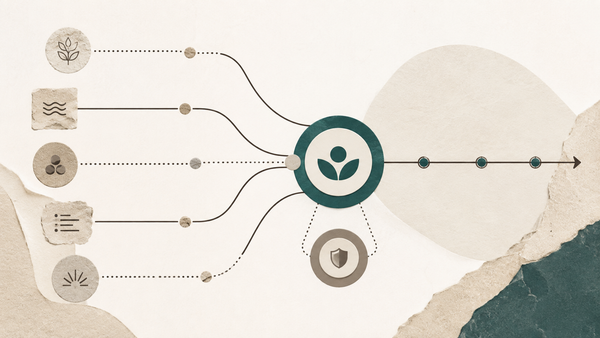
Church data becomes untrustworthy when definitions drift, ownership is unclear, exceptions remain invisible, and routine practices do not protect the record over time. A large cleanup may help temporarily, but confidence will fade again unless the operating habits change.
Begin with one decision
Do not start by cleaning every field in Planning Center. Start with one important decision that currently depends on questionable information.
Examples include:
- Who needs guest follow-up this week?
- Which volunteers are ready for scheduling?
- Which groups have unresolved attendance exceptions?
- Which records may be duplicates?
Identify the smallest set of data required to support that decision. This keeps the work connected to ministry value and prevents an endless database project.
Agree on definitions
Two reports can be technically correct and still disagree because they answer different questions. “Active,” “regular attender,” “volunteer,” and “completed follow-up” may each have several local meanings.
For every high-value term, document:
- what it means;
- who approves the definition;
- which system or field represents it;
- what does not qualify; and
- how exceptions are handled.
A shared definition is more valuable than a sophisticated report built on assumptions.
Make ownership visible
Every important data set needs a steward. That person or role is not responsible for entering every value. The steward is responsible for the standard, review cadence, exception path, and decisions about change.
Ownership should survive staff transitions. Lists, workflows, reports, automations, and forms should be inventoried and associated with durable roles, with backup coverage for high-risk processes.
If a system object becomes orphaned when one administrator leaves, the underlying design was person-dependent.
Manage exceptions instead of hiding them
Perfect data is not a realistic goal. Visible, owned exceptions are.
Create a small review queue for records that need human judgment: possible duplicates, missing ownership, unusual lifecycle changes, incomplete intake, or conflicting values. Assign an owner and a review expectation.
An exception list should show unresolved risk. It should not imply the underlying issue has already been corrected.
Protect the record at the point of entry
Repeated cleanup is a signal that the intake process needs attention. Review forms, integrations, permissions, and staff habits that create the same errors again.
Ask:
- Are several forms collecting the same information differently?
- Can integrations change lifecycle status without review?
- Are required fields truly necessary and consistently defined?
- Do staff know where the source of truth lives?
- Are permissions appropriate for the sensitivity of the data?
Build a sustainable review rhythm
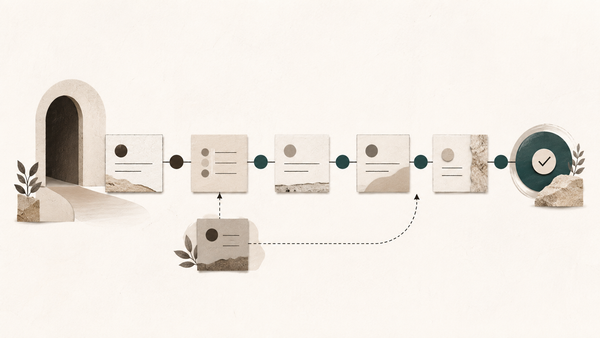
Use a light cadence rather than a heroic annual cleanup. Weekly review may fit time-sensitive workflow exceptions. Monthly review may fit duplicates and ownership gaps. Quarterly review may fit permissions, naming standards, and object inventories.
Track a few operational indicators: unresolved exceptions, aging, unowned objects, repeat error sources, and completion of scheduled reviews. These signals reveal whether the system is becoming more dependable.
Trust returns when leaders can explain what a number means, where it came from, who owns it, and what limitations remain. That confidence is built through stewardship—not merely through cleaner rows.
Join the OSI pilot and receive a focused operational snapshot.